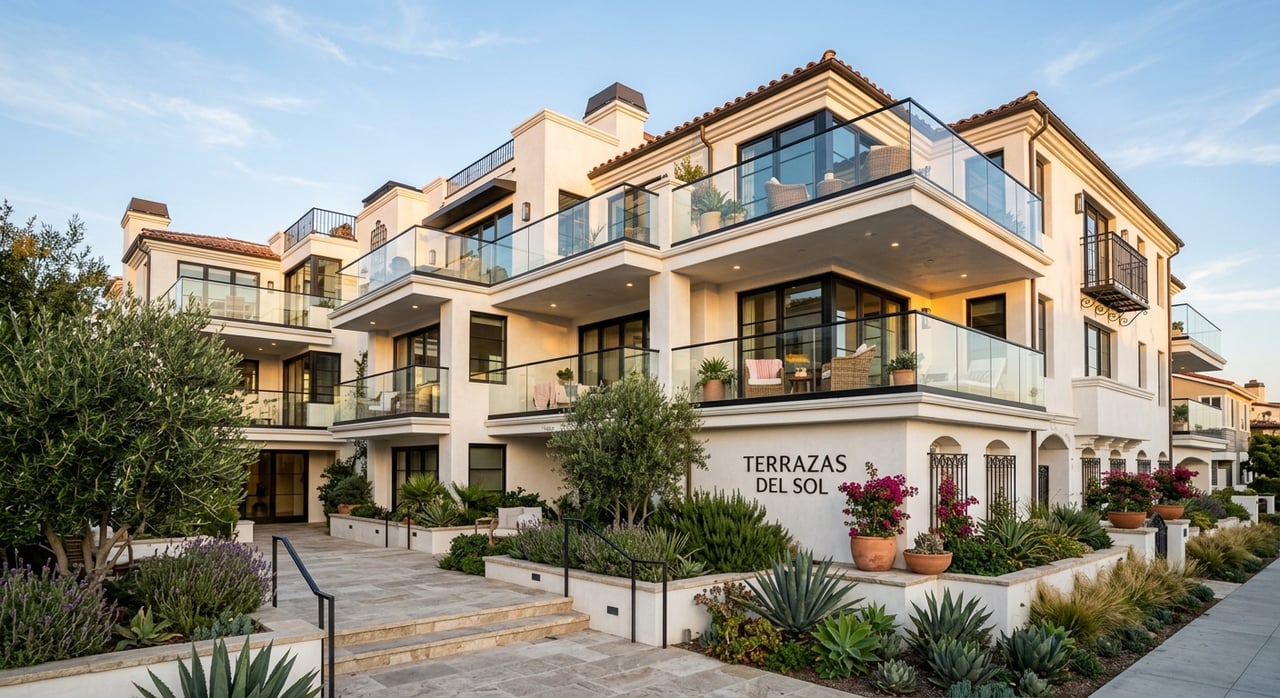
Dana Point Condos vs Homes: How to Choose Wisely
April 16, 2026
April 16, 2026
If you are deciding between a condo and a detached home in Dana Point, you are really choosing between two different ways to live by the coast. One option may give you easier upkeep and a lower entry price, while the other may offer more privacy, more space, and more control over the property. In a market where pricing, location, and lifestyle can vary dramatically block by block, it helps to look past the label and focus on how you want to live. Let’s dive in.
In broad terms, Dana Point condos usually offer a lower purchase price and less exterior maintenance, while detached homes usually come with a higher price point, more upkeep, and more autonomy. According to Redfin’s Dana Point city guide, the median sale price for a single-family home is $3,512,500, compared with $1,430,000 for a condo or co-op. That price gap is one reason many buyers start with condos when they want a Dana Point address but want to stay below the detached-home price range.
That said, condo pricing in Dana Point is not one-size-fits-all. Current condo listings in Dana Point range from the high-$200,000s and low-$300,000s to well above $1.8 million, with some listings reaching into the mid-$2 millions. If you are comparing options, it is important to understand that your budget may open very different opportunities depending on the building, location, and amenities.
Townhomes can also be worth a look if you want something in between. Redfin reports a median townhouse sale price of $1,449,000, which sits very close to the condo median. For some buyers, that middle-ground option can offer a useful balance of layout, maintenance, and cost.
In Dana Point, micro-location can shape value just as much as whether a property is a condo or a house. Realtor.com’s Dana Point overview shows neighborhood median listing prices that vary widely, from around $2.18 million in Capistrano Beach to about $5.60 million in Monarch Bay Terrace. That spread is a good reminder that proximity to the coast, views, and neighborhood setting can outweigh the broad condo-versus-home comparison.
For you as a buyer, that means the better question may be: Where in Dana Point do you want to be, and what trade-offs are you comfortable making? A well-located condo near the harbor may align better with your daily lifestyle than a larger detached home farther from the areas you plan to enjoy most.
Condo ownership is different from detached home ownership, and understanding that difference can help you avoid surprises. According to the National Association of Realtors consumer guide on condo ownership, condo buyers generally own their individual unit plus a percentage interest in the land, building, common areas, and amenities. Monthly dues typically help pay for communal maintenance and may also cover certain utilities.
That structure can be appealing if you want a lower-maintenance setup. Instead of handling every exterior issue on your own, part of the responsibility is shared through the homeowners association. For buyers who want a lock-and-leave coastal property or simply want fewer maintenance tasks, that can be a meaningful advantage.
A detached home often appeals to buyers who want more privacy, more room, and more flexibility. If your goals include a yard or patio, dedicated parking, or greater control over updates and changes, a detached home may fit better. In Dana Point, that often comes with a significantly higher price tag, but many buyers decide the added space and autonomy are worth it.
It is also worth noting that owning a detached home does not always mean you avoid HOA rules. The California Department of Real Estate explains that common interest developments in California can include condos, townhomes, and detached homes. So if you are assuming a house automatically means no dues or no restrictions, it is important to verify the actual governing documents for each property.
Whether you are looking at a condo or a detached home in an HOA community, you need to know what the association controls and what your dues cover. NAR and the California DRE note that HOA rules may address landscaping, parking, pets, noise, exterior finishes, and renovations. HOA funds may go toward landscaping, routine maintenance, amenities, and reserves, while special assessments can be charged if major repairs or other costs exceed available reserves.
This matters because the monthly number alone does not tell the full story. A higher HOA fee may include substantial services or amenities, while a lower fee may leave more costs on your shoulders later. Before you move forward, ask what the dues cover, how strong the reserve funding is, and whether there have been recent or planned special assessments.
If you are considering a condo, document review is one of the most important parts of the process. The NAR condo ownership guide recommends reviewing the CC&Rs, bylaws, rules and regulations, budget, reserve position, and any recent or planned special assessments. Lenders may also look at the association’s finances and the share of owner-occupied versus rented units.
This is where an investor-aware mindset can help, even if you are buying a primary residence. A condo with weak reserves or rules that do not fit your intended use can create problems later. You want to understand not just whether you like the unit, but whether the broader project looks financially and operationally healthy.
Dana Point’s coastal lifestyle is a major reason buyers are drawn here in the first place. The City of Dana Point beach information page notes that the city has more than 6.5 miles of beaches, while Dana Point Harbor has slips and moorings for more than 2,500 boats. The beach lineup includes Doheny, Salt Creek, Monarch, Dana Strand, Baby Beach, Poche, and Capistrano County Beach.
Not all beach access feels the same, though. Visit Dana Point’s beach guide describes Baby Beach as calm and sheltered, Strands as offering trail access and free parking at Strands Vista Park, and Doheny as a surf-oriented beach that sees heavy weekend use. If your ideal day involves paddleboarding in calm water, walking to harbor dining, or easy trail access to the beach, your location priorities may point you toward one property type over another.
The Dana Point Harbor also adds a strong lifestyle factor, with whale watching, sailing, paddleboarding, fishing, waterfront dining, boutique shopping, and a weekly farmers market. A condo near the harbor may offer convenience and easier walkability, while a detached home farther from the core may offer more space and privacy instead. Redfin gives Dana Point a Walk Score of 53, or moderately walkable, which helps explain why some buyers prioritize close-in condos for easier day-to-day access.
A condo may be the better fit if your priorities look like this:
For many buyers, especially downsizers or second-home shoppers, that reduced maintenance burden is a major quality-of-life benefit. You may be trading some privacy and control, but gaining convenience and easier ownership.
A detached home may be the stronger fit if your priorities include:
If you are moving up or planning for longer-term lifestyle needs, those advantages can be significant. In Dana Point, the trade-off is that you will usually pay more upfront and likely take on more maintenance responsibility over time.
Before you decide, it helps to narrow the choice around your daily life, not just the property photos. Ask yourself:
The right answer is rarely just about condos versus homes in the abstract. It is about matching your budget, your time, and your lifestyle goals to the right pocket of Dana Point.
In Dana Point, the condo-versus-home decision is not simply about size. It is about how you want to spend your time, how much maintenance you want to manage, what level of privacy matters to you, and how close you want to be to the harbor, beaches, and daily coastal conveniences. With condo medians around $1.43 million and single-family medians above $3.5 million, the price difference is real, but so are the differences in ownership structure and lifestyle.
The key is to compare each option through a practical lens. Look at the true monthly cost, the rules, the maintenance demands, and the location experience you are actually buying into. If you want a calm, concierge-style approach to sorting through those trade-offs in Dana Point, Angi Realty is here to help you map out the right next step.
Stay up to date on the latest real estate trends.




Trust her to bring personal, top-tier real estate service in South Orange County. With her dedication, market expertise, and investor-savvy approach, she guides buyers and sellers carefully and confidently.
South Orange County, CA 92008